Tools Utilized: Qualtrics XM, Excel & IBM SPSS
Project Background
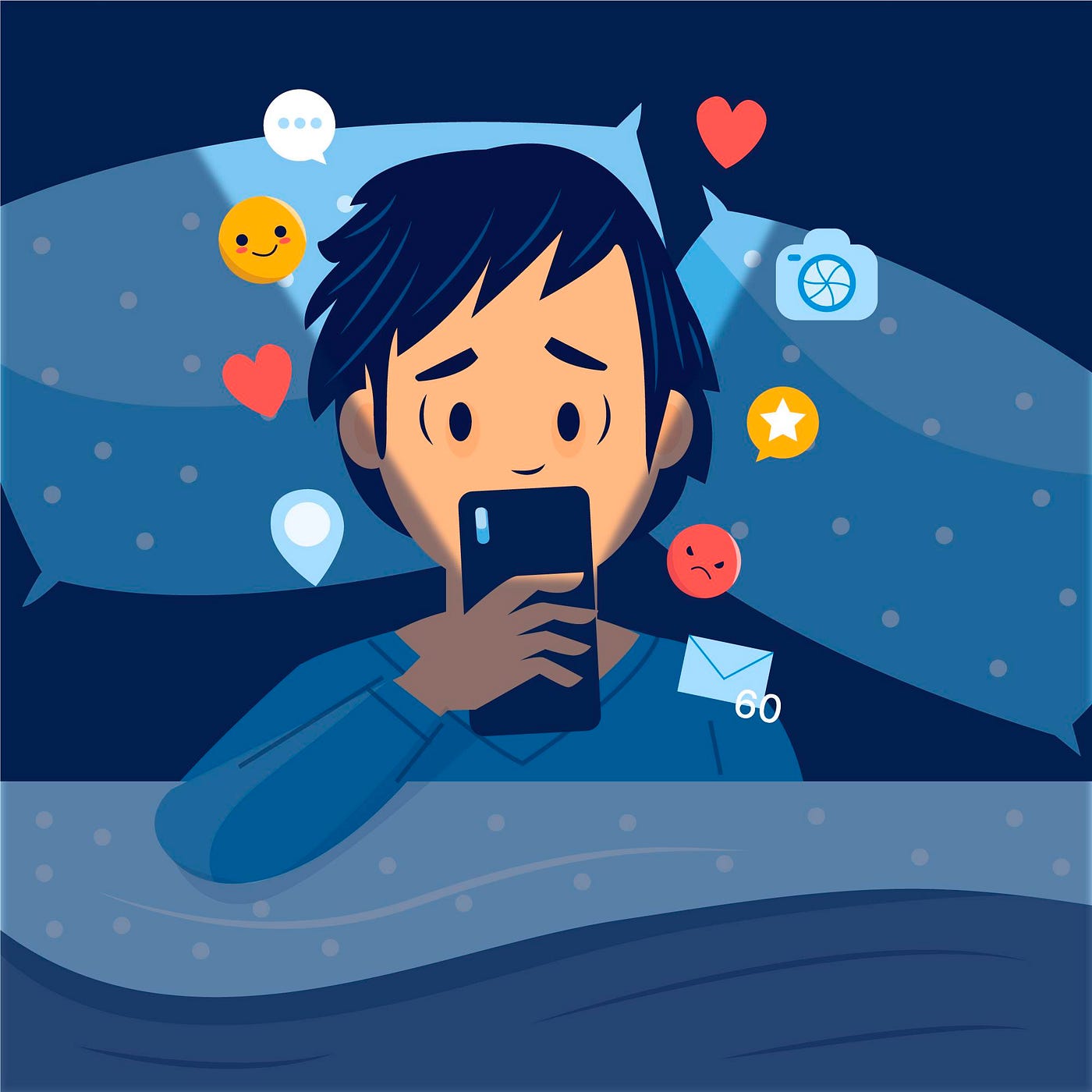
In an era where the digital realm intertwines seamlessly with everyday life, social media has become a ubiquitous presence, significantly influencing various aspects of society.
Over the past two decades, platforms like Facebook, Instagram, and TikTok have revolutionized how people communicate, share information, and connect with others globally. This transformation has brought about numerous benefits, including unprecedented opportunities for self-expression, community building, and real-time communication.
Historically, the rise of social media can be traced back to the early 2000s, with the launch of platforms like MySpace and Facebook, which laid the groundwork for today's digital landscape. As these platforms evolved, they introduced features that allowed users to share curated content, leading to the creation of online personas and communities. The rapid proliferation of smartphones further accelerated social media's integration into daily life, making it an essential tool for personal and professional interactions.
Project Scope
Problem Statement
Despite the benefits of social media for connection and self-expression, there is growing concern about its adverse effects on mental well-being. Specifically, the constant exposure to curated images and the pressure to maintain idealized online personas are linked to increased anxiety, depression, and low self-esteem among users. Understanding the dual-edged nature of social media's impact on mental health is crucial for developing strategies to enhance its benefits while mitigating its negative effects.
This project delves into the multifaceted relationship between social media usage and mental health in terms of overall levels of anxiety and stress.
Target Market Specifications
The target market included students from different class years, genders, and academic disciplines. Much research on social media and mental health revolves around those ages 14-18; however, this research focused on those ages 18-21.
Part 1: Interview
Interviews were held in person throughout the day and lasted a minimum of five minutes per session. Given the focus on exploring the impact of social media on mental health, the first and last questions addressed the participants' perceptions regarding this topic. This approach was designed to provide insights into any potential shifts in confidence or perspective throughout the course of the interview. A copy of the interview questions can be found here.
I ultimately conducted 11 interviews, encompassing students of both sexes (3 males and 8 females) and representing 5 different schools. Upon thorough analysis of the data gathered, the five most important insights from the interviews are:
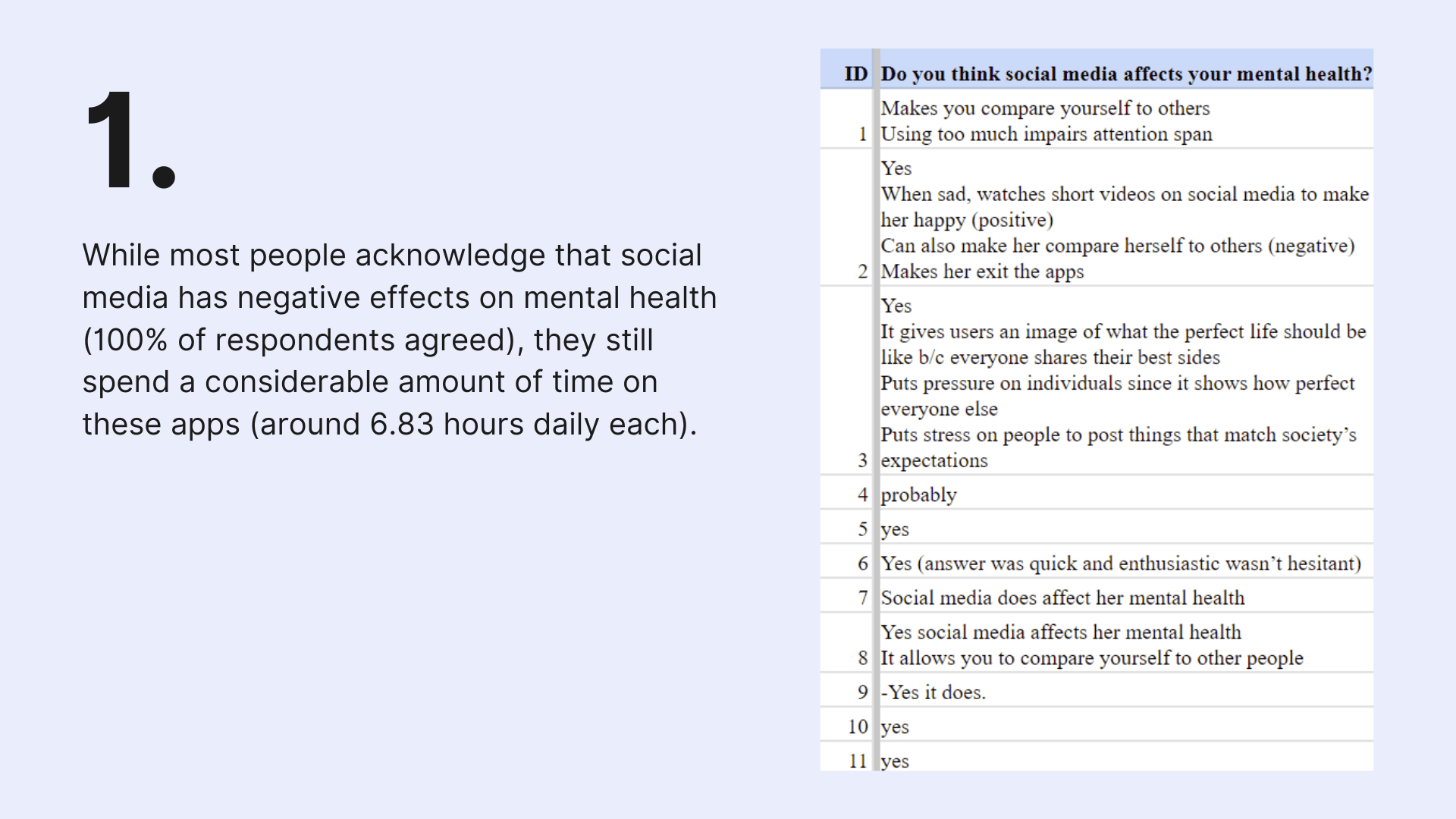
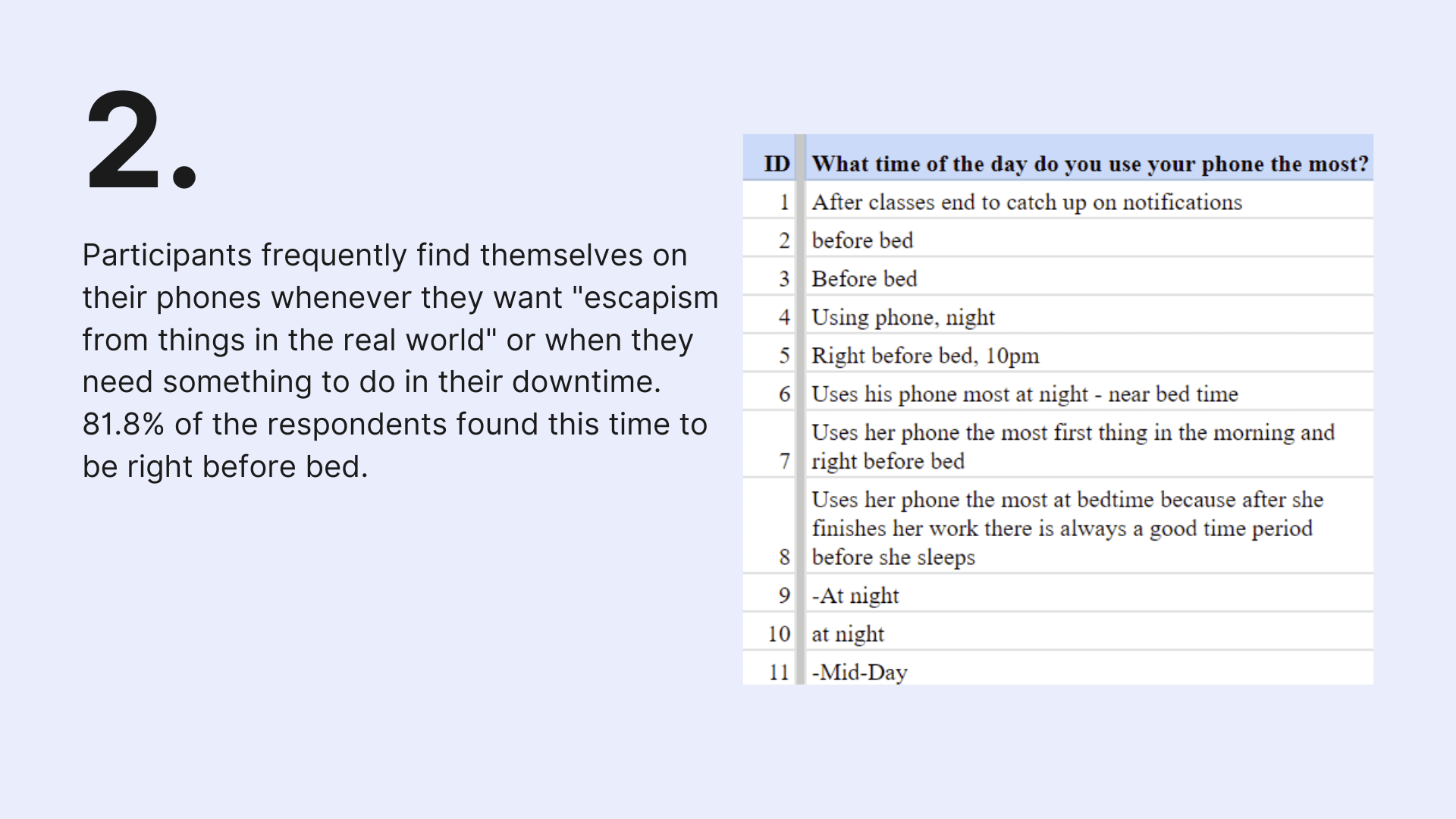
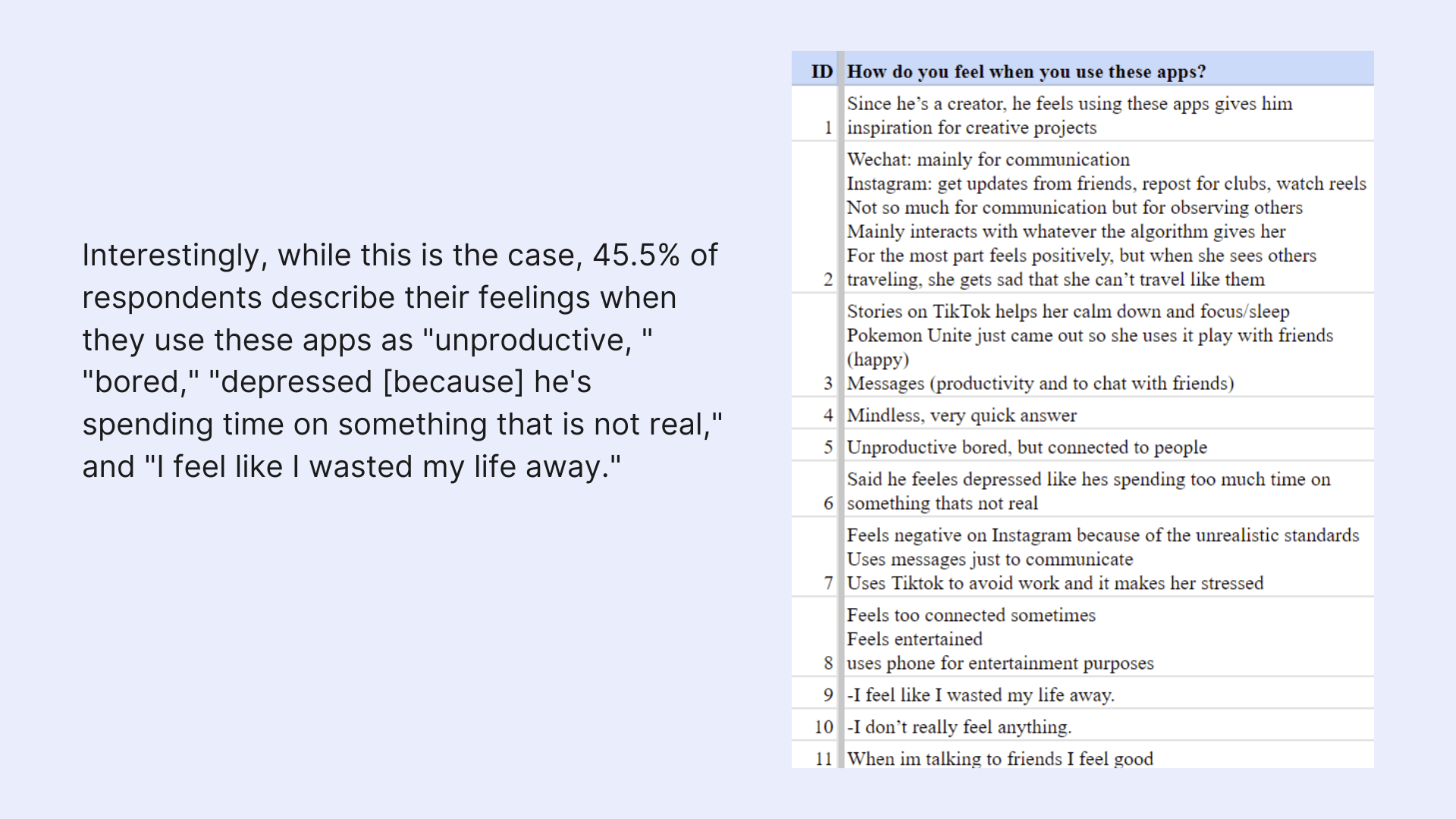
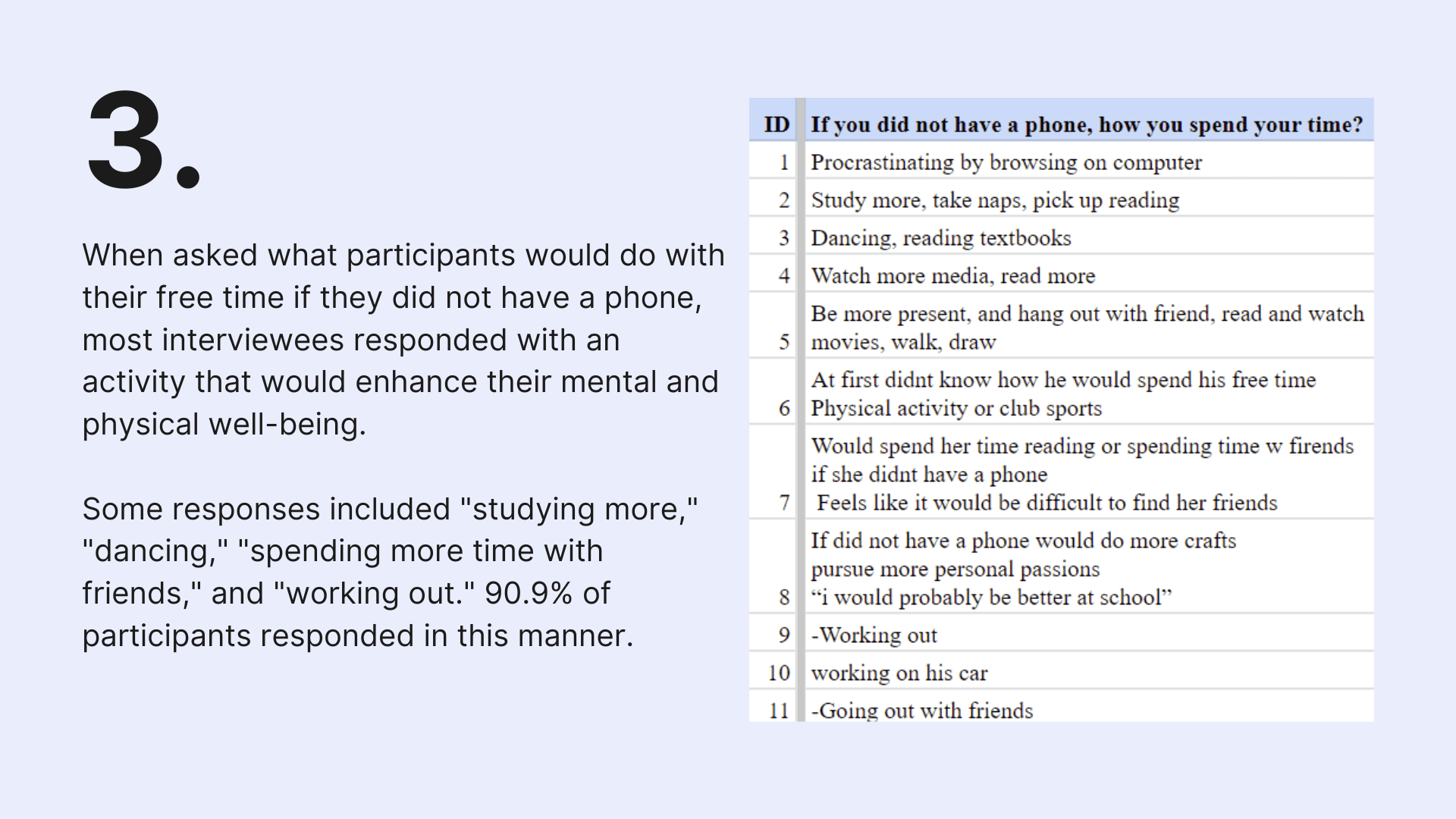
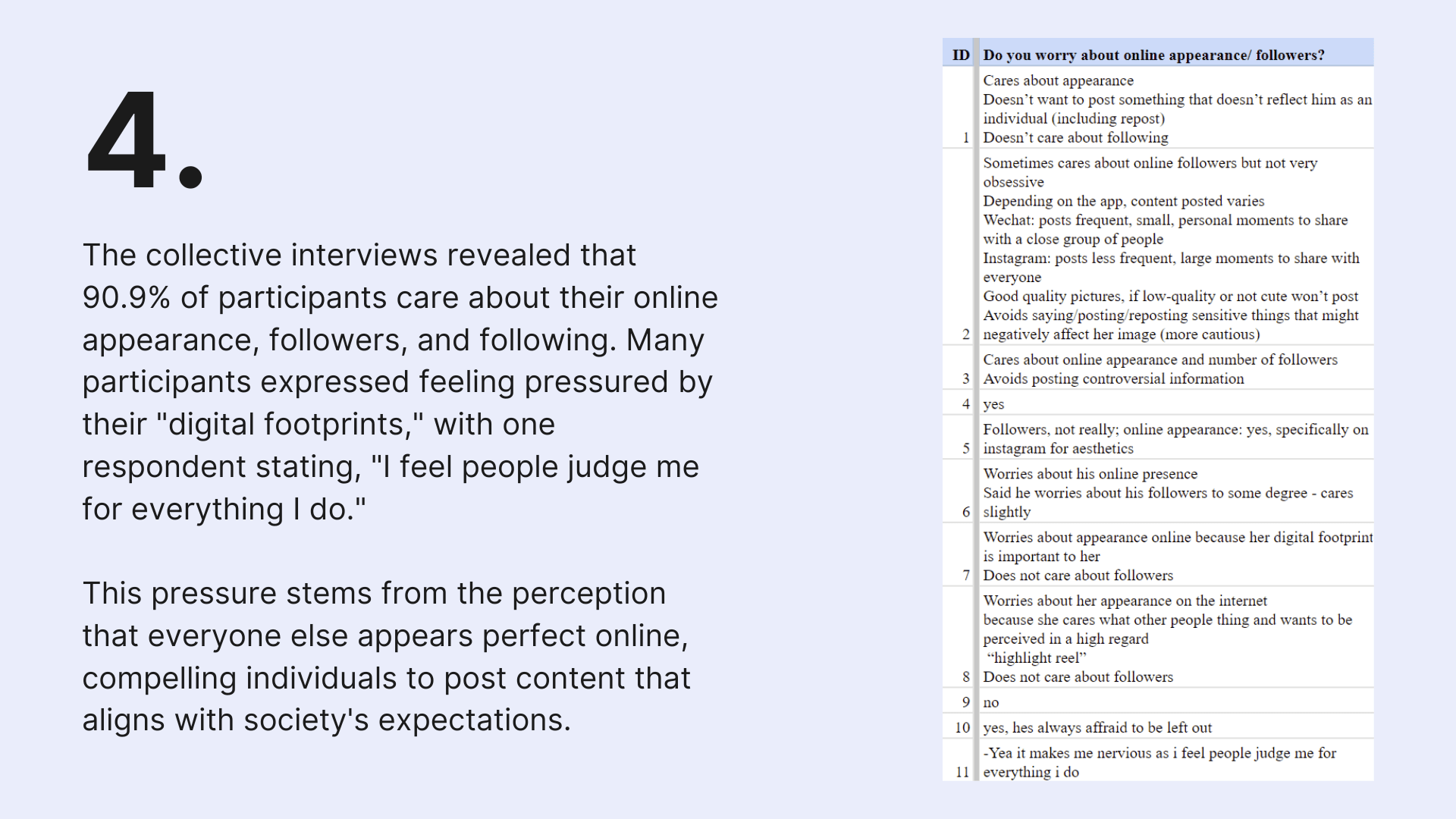
It was also interesting to note that 54.5% of participants picked up their phones whilst being interviewed.
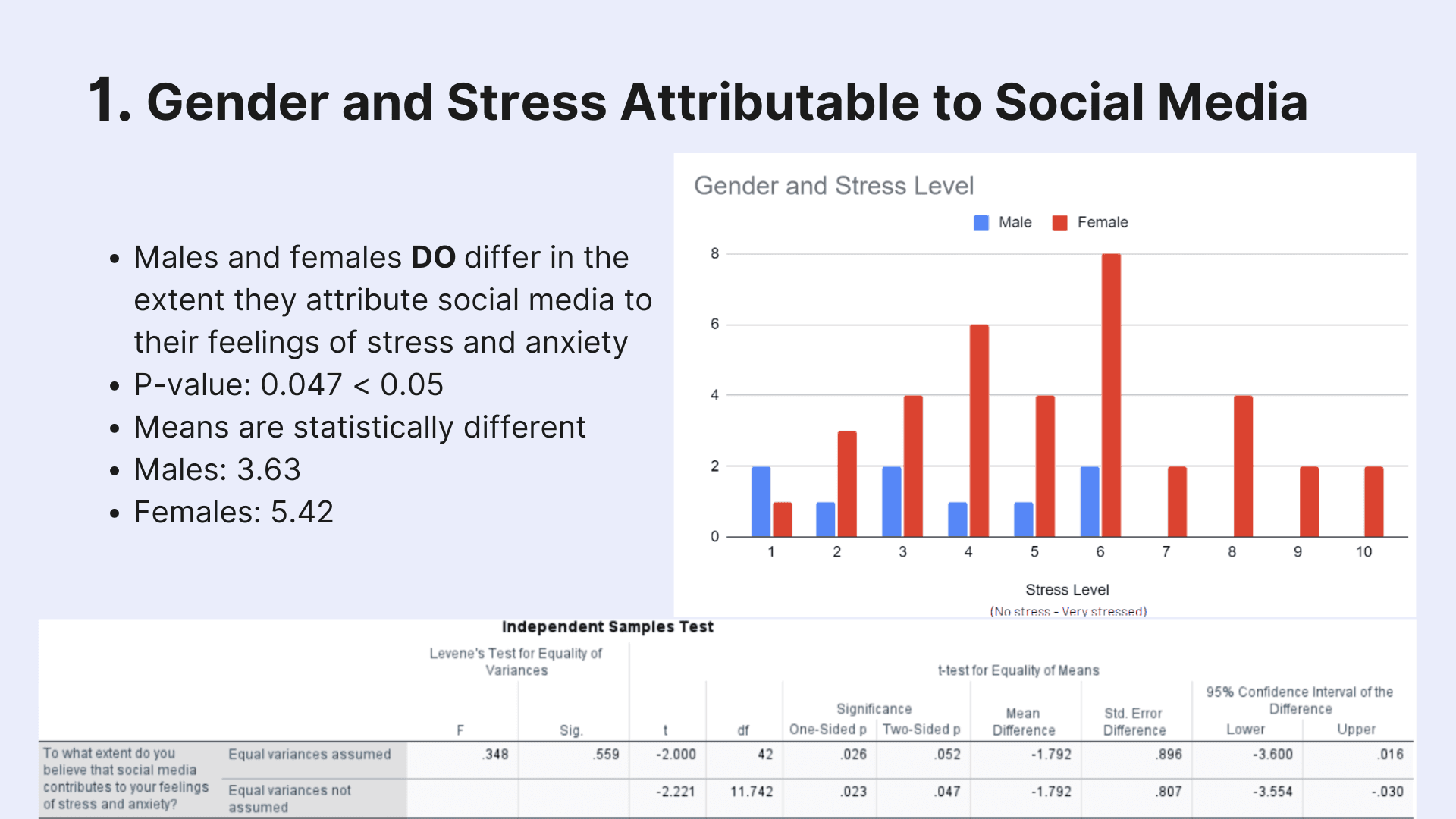
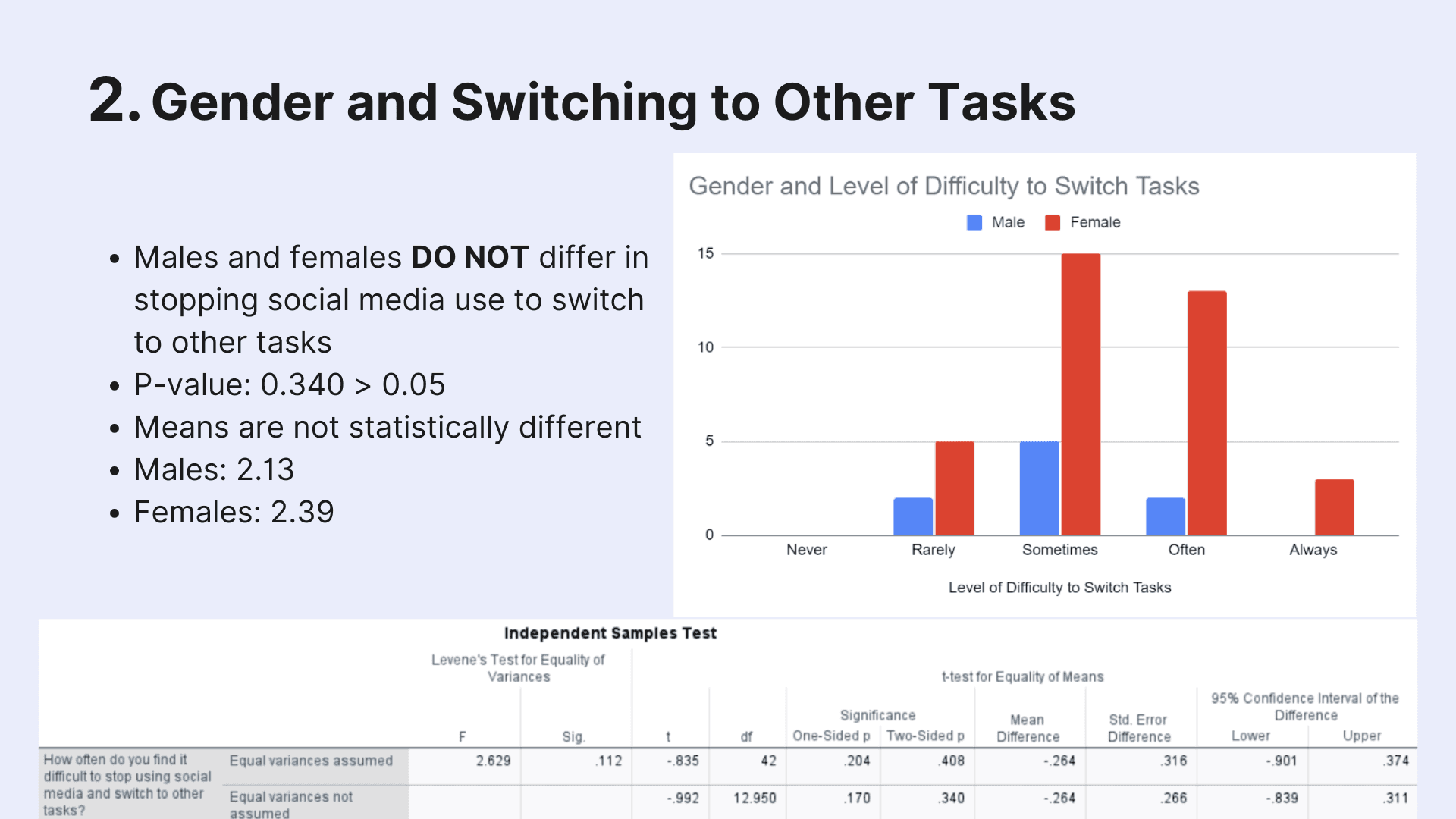
The data clearly demonstrates that social media exerts a negative influence on young adults, who are aware of its impact. Interviews further confirm their concerns about social media presence, as it shapes how others perceive them and can be a source of embarrassment. However, the study did not find significant differences in social media interaction and usage between sexes, likely due to the smaller sample size of males relative to females. Overall, the findings suggest that both males and females tend to utilize social media for similar purposes.
Part 2: Survey
The survey focused on three main dependent variables: anxiety/stress levels, social media dependence, and self-esteem/self-comparison. Independent variables included the amount of social media usage, platforms used, purpose of usage, and online following/presence. Gender and personality were used as the main moderators.
To ensure the best results from the survey, I selected the most appropriate form of input for each specific question. The survey consisted of 31 questions in total, utilizing:
Sliding scales to collect numerical data for quantities and frequencies, allowing for flexibility in responses.
E.g.: “How many hours per day, on average, do you spend using social media platforms?”
Short answers to inquire about more detailed and qualitative questions, offering respondents the opportunity to articulate their thoughts in their own words.
E.g.: “How has your use of social media influenced your perception of yourself over time?”
Multiple choice to have respondents select from predefined options. However, these questions also have an "Other" option to allow for inclusivity.
E.g.: “What is your purpose for using social media? Check all that apply.”
Likert scales to measure attitudes, allowing for a nuanced understanding of respondents' views by capturing the degree of agreement or disagreement rather than a simple yes or no.
E.g.: “To what extent do you agree or disagree with the statement: 'I feel anxious or uneasy when I cannot access social media?'"
Part 3: Data Collection
Participants were selected through convenience sampling, resulting in a total of 47 responses. Over five weeks, the survey was distributed via group chats and social media. Surveys were collected through Qualtrics, and after careful review, the demographic of respondents is as follows:
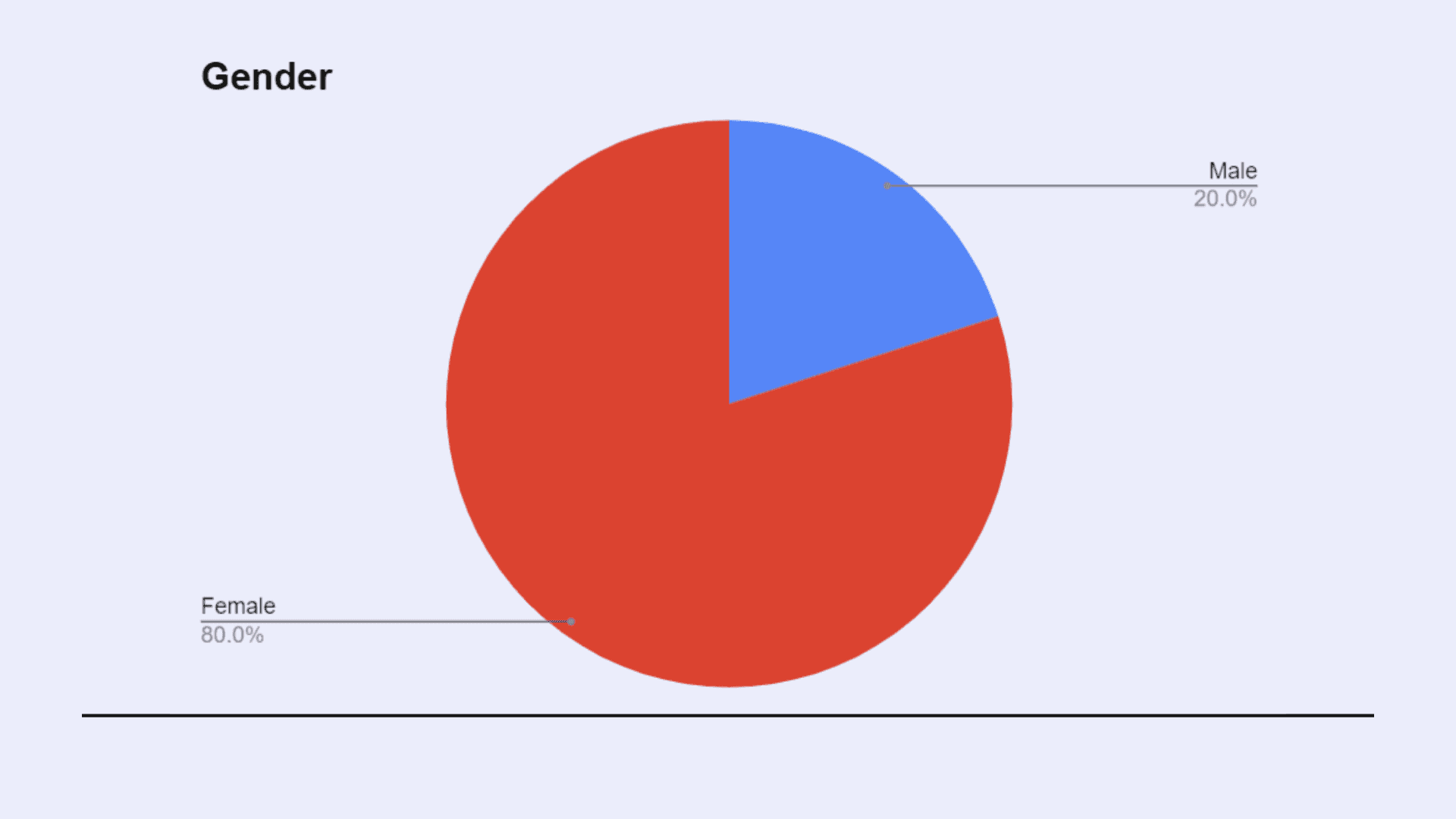
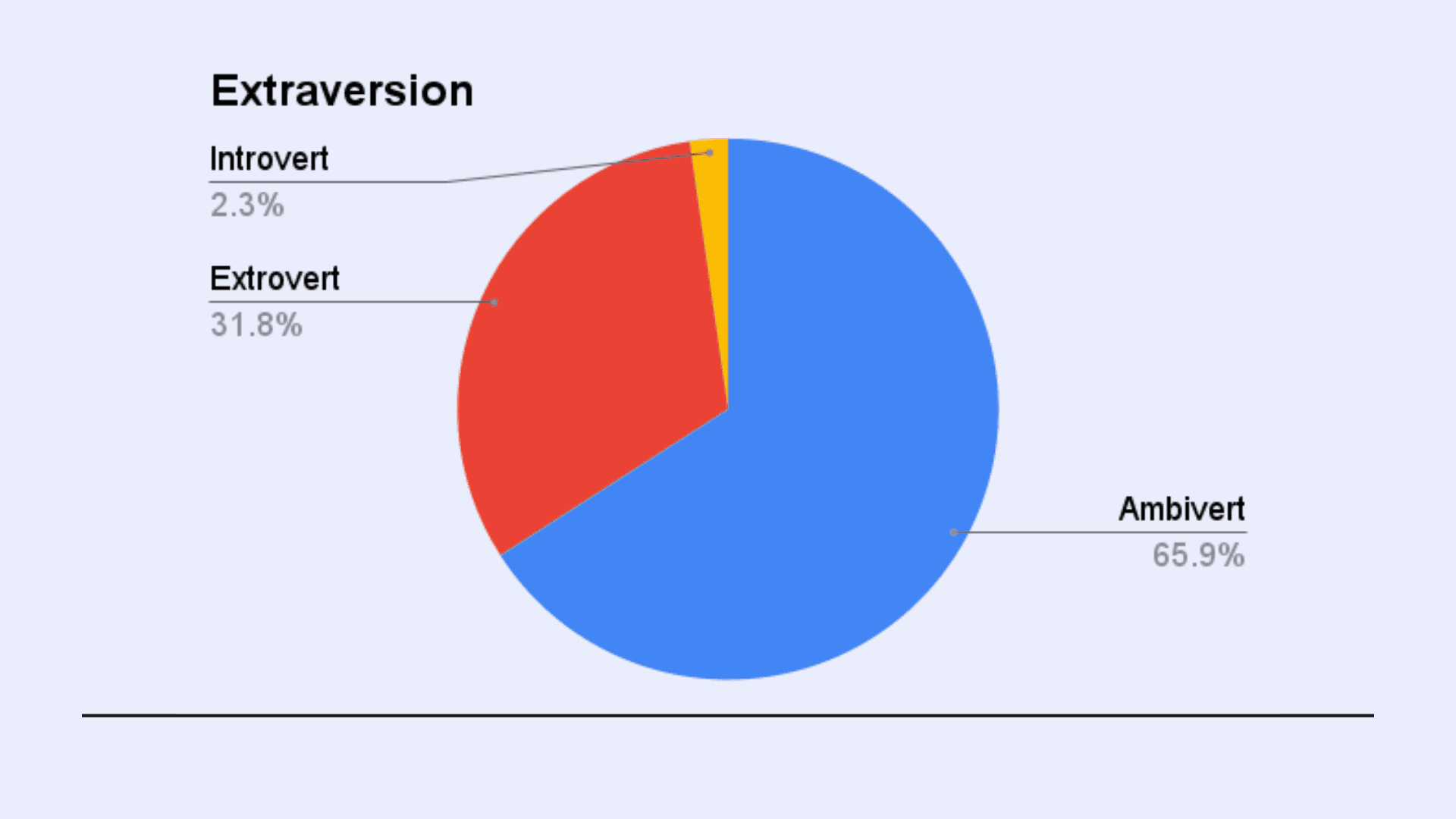
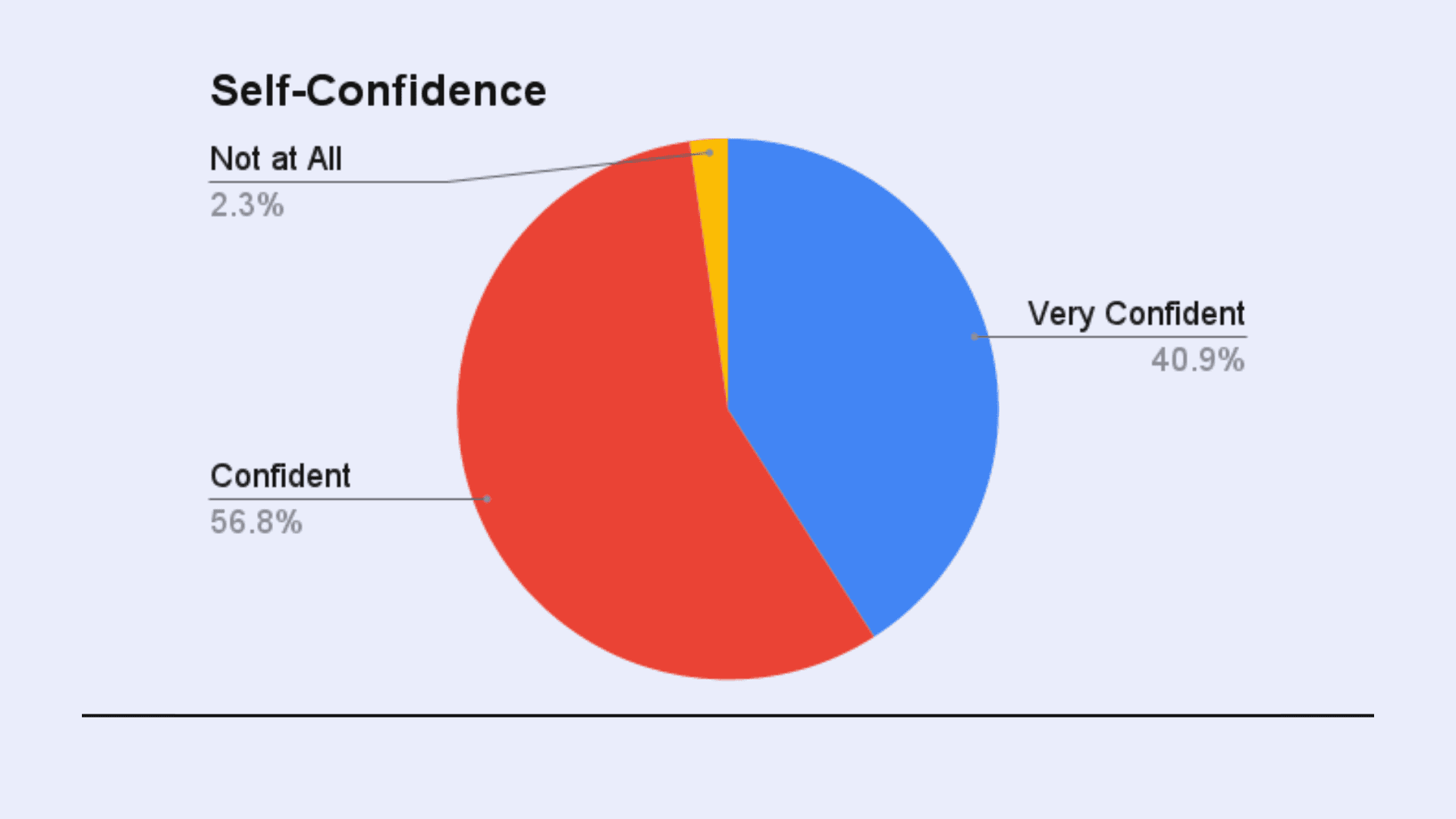
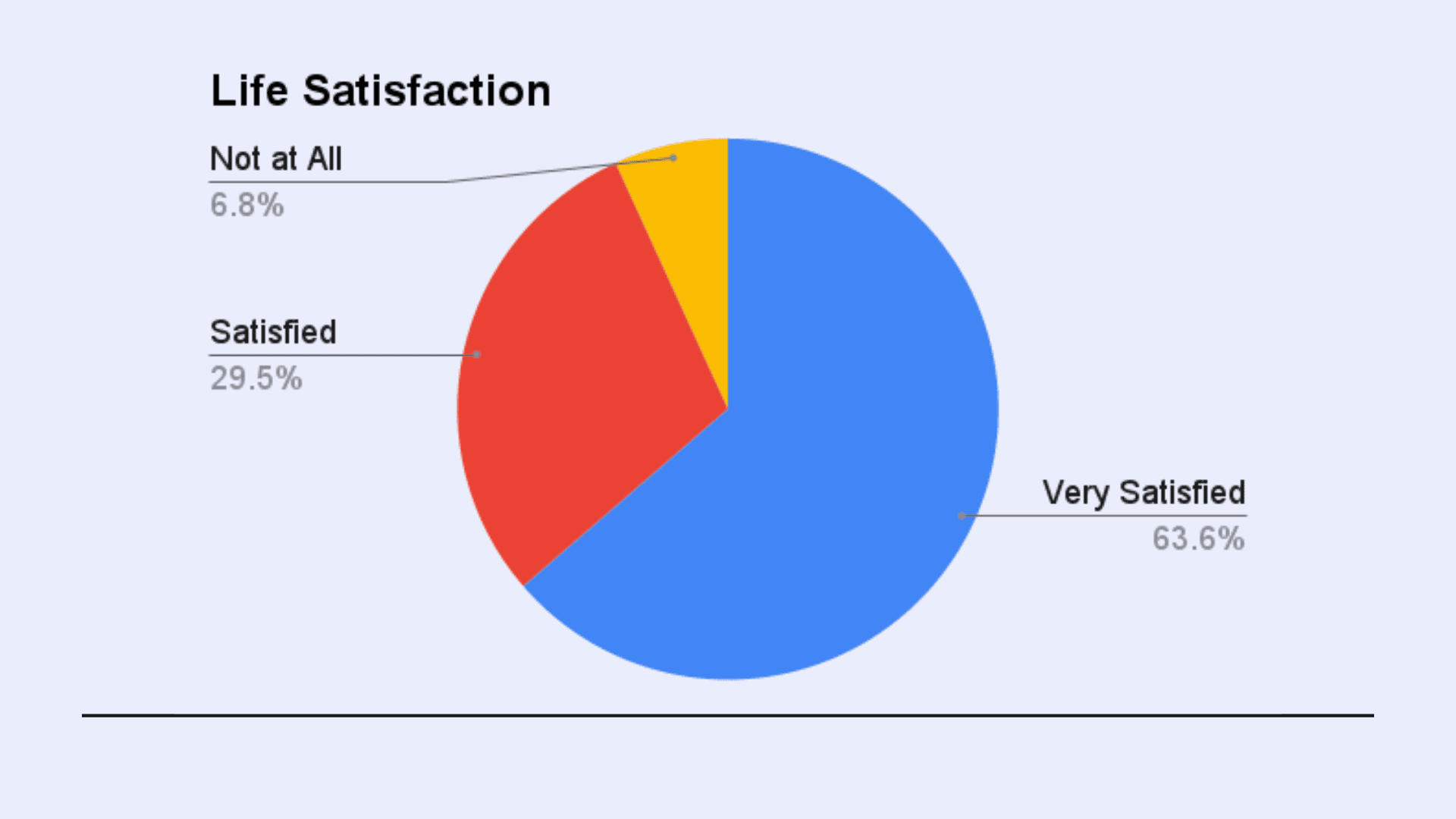
A challenge I encountered was the occurrence of blank responses to certain questions. This issue arose primarily because of updates made to the survey after its initial distribution. Individuals who had already completed the original version left several questions unanswered when new questions were introduced in later iterations. This posed an obstacle, as the newly added questions had insufficient responses and could not be used for reliable analyses. However, the original questions all had a 100% response rate.
Key Research Insights
Limitations
Due to the nature of the data collection process, I encountered limitations in analyzing the anticipated relationship between social media usage and mental health. For instance, I aimed to assess the purposes behind students’ social media usage by presenting options such as entertainment, education, social interaction, or other reasons in the form of sliding scales. This approach would have allowed me to identify and measure the underlying motivations for social media use. However, because this question was introduced after the initial survey distribution, I was unable to accumulate an adequate number of responses to incorporate into my analyses. Several other questions also proved unreliable due to the same constraints, including:
"When you are unable to use social media for an extended period, how do you typically feel?" Responses were recorded using a sliding scale for feelings such as refreshed, anxious, bored, disconnected, or other.
"How do you typically feel after comparing your life to others’ on social media?" Responses were recorded using a sliding scale for feelings such as uplifted/motivated, discouraged, or other.
As a result, I was unable to explore and measure specific feelings experienced by participants during social media usage beyond stress and anxiety.
Another area for improvement is to increase the number of responses. With a larger sample size, I could capture a wider array of perspectives. It is important to note that my study does not fully represent the entire college demographic. Despite variations in gender, extroversion, life satisfaction, and self-confidence among respondents, certain trends were predominant. Specifically, the majority of our respondents were female, ambiverts, highly satisfied with their lives, and confident individuals. To achieve greater generalizability to the broader population, I can enhance my methodology by ensuring equal representation across all demographic groups during survey distribution.
Next Steps
Given the complexity of the relationship between social media and mental health, conducting additional research in specific areas could provide valuable insights. Future investigation could involve exploring the role of personality traits, such as neuroticism or openness, in moderating this relationship. We can also examine the impact of specific features or functionalities of social media platforms, such as the use of stories or likes and comments, to gauge a deeper understanding of their influence on well-being.
Expanding the scope of this study to encompass individuals from diverse age groups and cultural backgrounds would also enhance the generalizability of findings. Moreover, incorporating additional variables such as social support and coping strategies could offer further insights into the multifaceted nature of the relationship under investigation. By integrating these factors into the model, researchers can delve deeper into various aspects of the interplay between social media use and mental well-being, thereby advancing our understanding of this complex dynamic.